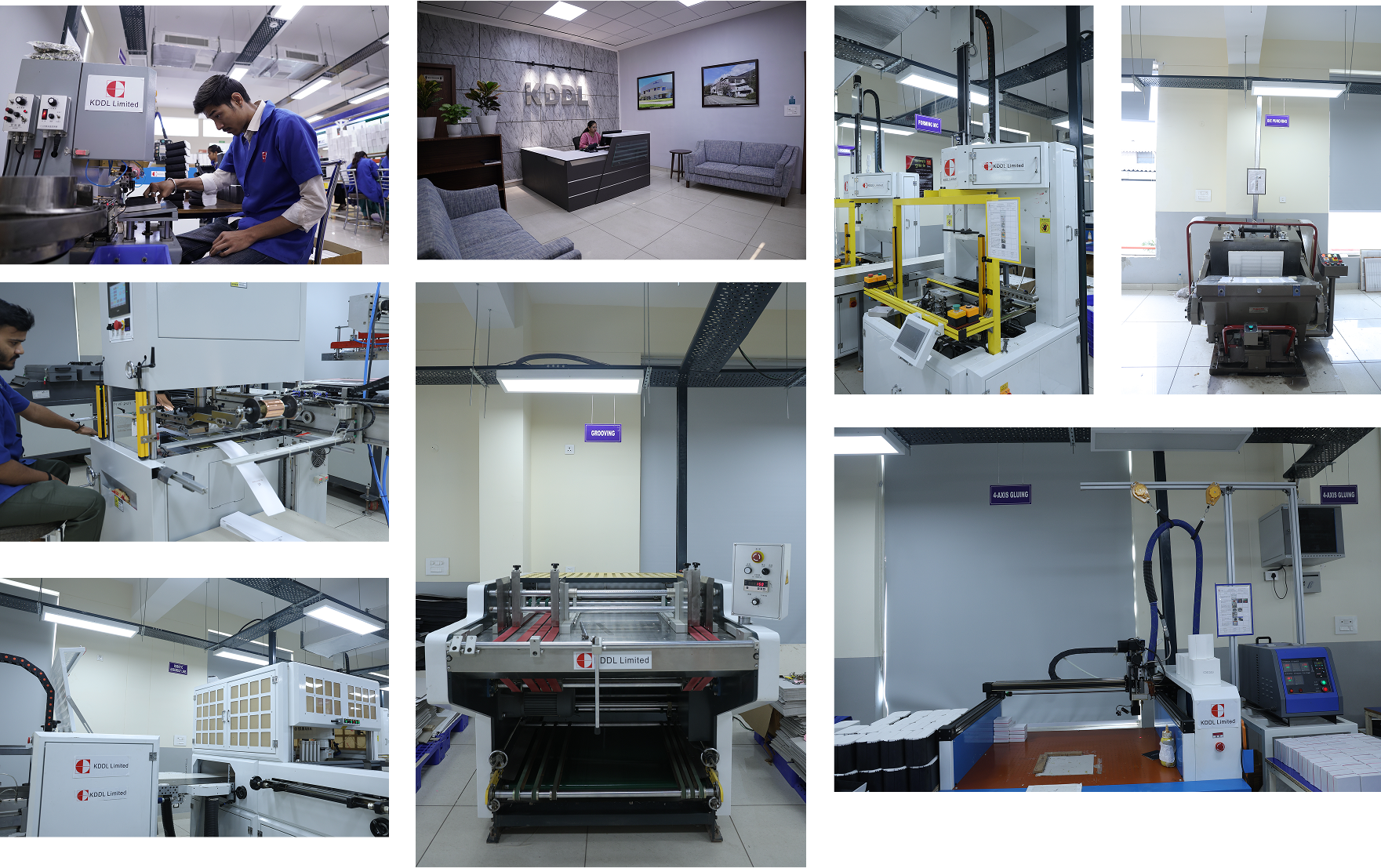
Manufacturing Infrastructure
Our Manufacturing Process
Ornapac brings together State-of-the-art technology and meticulous handcraftsmanship. From design to execution, every detail is perfected with precision. At Ornapac, we believe in quality.
Our materials are carefully selected, and every box is rigorously tested to ensure it meets the highest standards of luxury and durability. The result is packaging that enhances the brand it represents, creating a seamless blend of form and function.
Ornapac, luxury and customised watch packaging. Jewellery packaging. Watch packaging. Oranapac, best watch boxes in India
Conceptualization and Planning
In this stage, materials are evaluated for durability, aesthetics, and cost-effectiveness. Detailed technical drawings of plastic molds and other components are created in-house at Ornapac, ensuring precise specifications for selected designs. Additionally, manufacturing processes are developed to outline the steps required for mass production, ensuring that each design is optimized for efficiency and ready for scaling up production.
Material Inspection
The IQC process at Ornapac involves the visual inspection of raw materials for visible defects such as scratches, discoloration, or damage. Dimensional checks are also performed to ensure that all materials meet the required specifications. This step is critical to ensuring that only high-quality materials move forward in the manufacturing process, reducing the risk of defects in the final product.
Material Shaping and Design Application
In the cutting section, raw materials such as paper, leather, or PU are loaded onto die-cutting machines for precise cuts based on the design. The printing process follows, where appropriate substrates are selected for screen printing, pad printing, or foiling. Specialized drying processes like UV or IR drying are applied to ensure ink adhesion and durability of the printed designs.
Component Assembly and Final Quality Assurance
After forming the top and bottom sections of the product, the assembly line combines the base, lid, and any inserts for secure fitting. Cushioning materials are added where necessary.
A comprehensive quality check, a key element at Ornapac, is done to ensure all components are correctly assembled and meet the design specifications. Only after meeting the highest quality standards are they approved for dispatch, ensuring safe delivery and customer satisfaction.
Conceptualization and Planning
In this stage, materials are evaluated for durability, aesthetics, and cost-effectiveness. Detailed technical drawings of plastic molds and other components are created, ensuring precise specifications for selected designs. Additionally, manufacturing processes are developed to outline the steps required for mass production, ensuring that each design is optimized for efficiency and ready for scaling up production.
Material Inspection
The IQC process involves the visual inspection of raw materials for visible defects such as scratches, discoloration, or damage. Dimensional checks are also performed to ensure that all materials meet the required specifications. This step is critical to ensuring that only high-quality materials move forward in the manufacturing process, reducing the risk of defects in the final product.
Material Shaping and Design Application
In the cutting section, raw materials such as paper, leather, or PU are loaded onto die-cutting machines for precise cuts based on the design. The printing process follows, where appropriate substrates are selected for screen printing, pad printing, or foiling. Specialized drying processes like UV or IR drying are applied to ensure ink adhesion and durability of the printed designs.
Component Assembly and Final Quality Assurance
After forming the top and bottom sections of the product, the assembly line combines the base, lid, and any inserts for secure fitting. Cushioning materials are added where necessary.
A comprehensive quality check is done to ensure all components are correctly assembled and meet the design specifications. Only after meeting the highest quality standards are they approved for dispatch, ensuring safe delivery and customer satisfaction.